 TravelHub

Travel essentials · Health
The UK GHIC: your free health card for Europe, explained
What the Global Health Insurance Card covers, how to apply for free in about ten minutes, where it works, and why it's no substitute for travel insurance.
It's the least glamorous thing you'll pack, and one of the most useful. A sprained ankle on a Greek island, an ear infection in Lisbon or a forgotten prescription in Berlin: with a UK Global Health Insurance Card in your wallet, you can see a doctor in much of Europe on the same terms as the locals, often for free or for a small charge. And the card itself costs nothing.
The UK Global Health Insurance Card, or GHIC, replaced the old European Health Insurance Card (EHIC) for most people after Brexit. Here's everything you need to know before you travel.
What is the GHIC?
The GHIC lets UK residents get medically necessary state healthcare while visiting the EU and a handful of other countries, on the same basis as people who live there. That means if locals get a treatment for free, so do you; if they pay a contribution, you pay it too.
"Medically necessary" means treatment that can't reasonably wait until you get home. That includes emergencies and visits to A&E, treatment for a sudden illness or injury, routine care for an existing medical condition, and maternity care, as long as you didn't travel specifically to give birth.
If you still have an old UK EHIC, it's valid until the expiry date printed on it. When it runs out, you replace it with a GHIC.
Where does it work?
The GHIC works in all 27 EU countries, plus Iceland, Liechtenstein, Norway and Switzerland (with some conditions). It's also valid in Montenegro and for UK visitors to Jersey, Guernsey and the Isle of Man, and it's accepted as proof when enrolling for Medicare under the UK's agreement with Australia. In Ireland you don't need one at all. Choose a country to check:
How to apply
Applying takes about ten minutes online and is completely free. You'll need your National Insurance number (or your NHS number if you live in England or Wales, your CHI number in Scotland, or your Health and Care number in Northern Ireland), plus your name, address and date of birth.
- Go to the official site. Start at GOV.UK: Global Health Insurance Card, which takes you to the free NHS application.
- Fill in your details. You can add your partner and any children under 16 to the same application. Young people aged 16 and over apply for their own card.
- Wait for the post. Cards are usually delivered within about two weeks (up to 15 working days), so apply well before you travel.
- Sign it and pack it. Keep it with your passport. A photo on your phone is handy as a backup, but take the physical card.
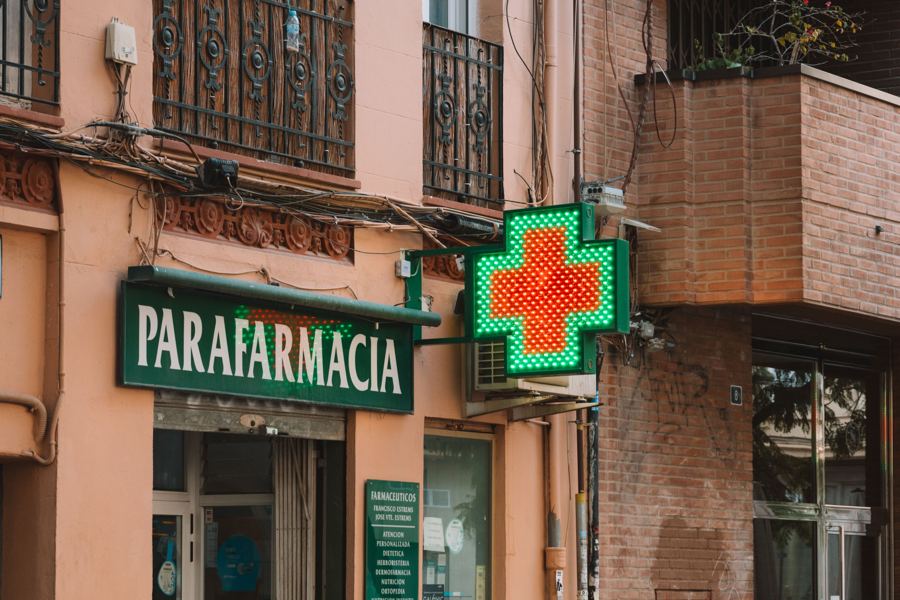

Using your card abroad
Show your GHIC (and sometimes your passport) whenever you need treatment. A few tips make it go smoothly:
- Go public. The card only works in state healthcare. In tourist areas, many clinics are private and will charge you in full. Ask for the public hospital or health centre.
- Expect to pay sometimes. Some countries charge locals a contribution for appointments or prescriptions, and some, like France, ask you to pay upfront and claim part of it back. Keep all receipts and paperwork.
- Claiming back. If you were charged for treatment that should have been covered, try to claim it back in the country before you leave. If you can't, you may be able to apply for a refund from the NHS once you're home.
- Lost your card abroad? If you need treatment and don't have your card, you can ask the NHS Overseas Healthcare Services team for a Provisional Replacement Certificate, which gives you the same cover. You can't apply for one in advance.
What the GHIC doesn't cover
This is the part people get wrong. A GHIC is not travel insurance, and it won't pay for:
- Being flown home to the UK if you're ill or injured (medical repatriation), which can cost tens of thousands of pounds.
- Private treatment, or treatment at private clinics.
- Mountain rescue in ski resorts.
- Lost or stolen belongings, cancelled trips or missed flights.
- Travelling abroad specifically to get treatment. Planned treatment has its own process, arranged in advance through the NHS.
That's why the NHS and the government advise taking out travel insurance as well as carrying a GHIC. The two work together: many insurers expect you to carry a GHIC when travelling in Europe, and some reduce or waive your excess if you use it.
Special cases
- Existing medical conditions. The GHIC covers routine care for an existing condition. But if you need regular treatment such as kidney dialysis or oxygen, arrange it with the provider abroad before you travel.
- Pregnancy. Maternity care is covered if you need it while travelling, but not if the reason for your trip is to give birth abroad. Check your airline's rules for flying when pregnant too.
- Students. If you're studying in the EU or Switzerland, you can apply for a student GHIC that covers you in your country of study for the length of your course.
- Living abroad. If you've moved to the EU and receive a UK State Pension or work for a UK employer, you may be entitled to a different card or form. Check GOV.UK for your situation.


The bottom line
Ten minutes online, a free card in the post and peace of mind for up to five years: few travel admin tasks are as worthwhile. Apply now, even if your next European trip is months away, then pair it with good travel insurance and forget about it until you need it. With luck, you never will.
This guide is for general information. Rules can change, so always check the latest official advice on GOV.UK and the NHS website before you travel.