 TravelHub
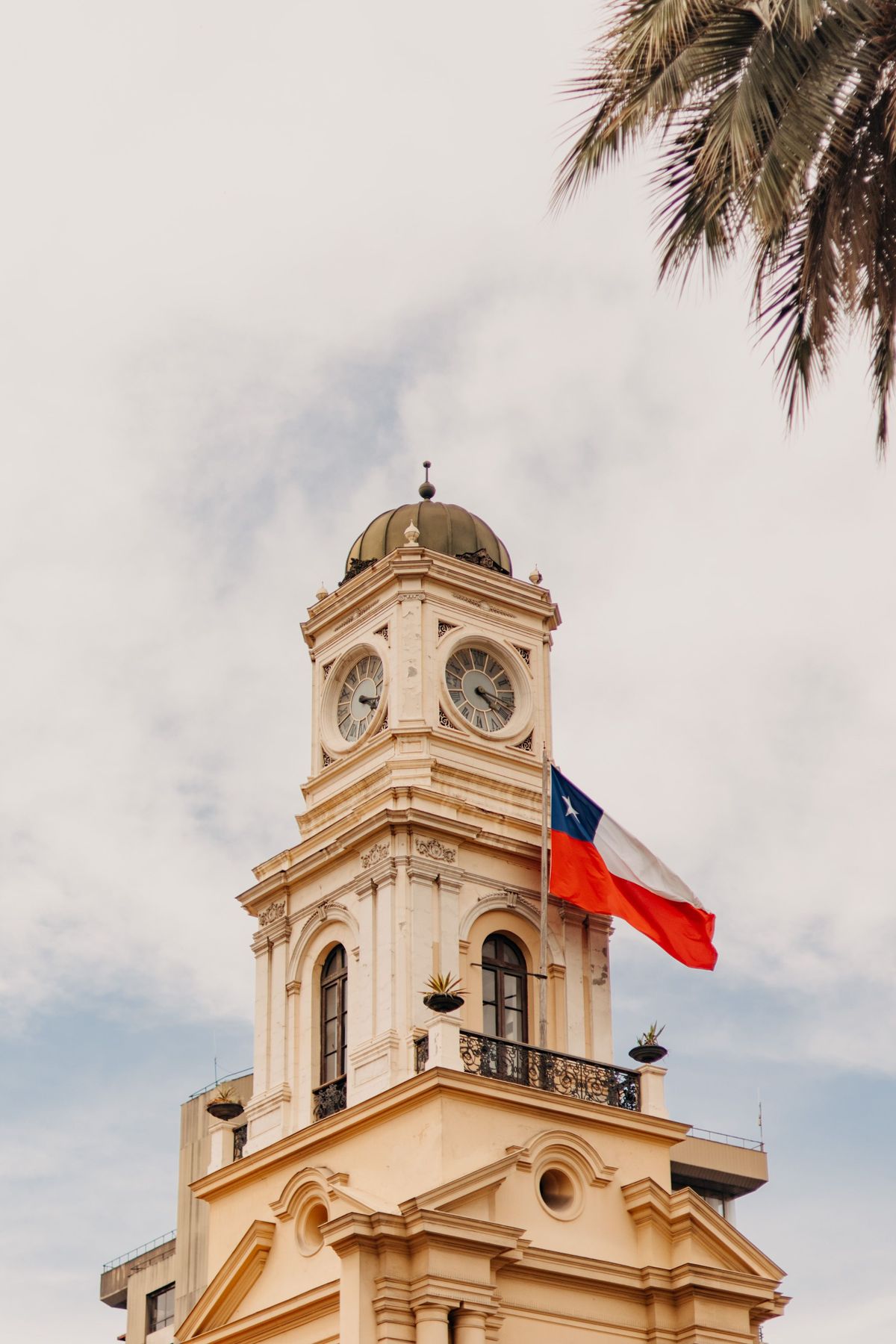
Destination guide · Chile
Chile: the long, thin country that has it all
The driest desert on Earth, world-class wine, volcanoes, glaciers and a remote Pacific island, all in one stable, welcoming country. Here is why Chile may be South America's most underrated destination, and why some visitors never leave.
Look at Chile on a map and it barely seems possible: a ribbon of land squeezed between the Andes and the Pacific, around 4,300 kilometres long and, on average, less than 200 kilometres wide. Laid over Europe, it would stretch from Lisbon to Moscow. Travel its length and you pass from a desert where it almost never rains, through Mediterranean vineyards and smoking volcanoes, to glaciers and fjords at the bottom of the world.
Yet many travellers still skip it for the better-known names next door. That's starting to change: Chile welcomed just over 6 million international visitors in 2025, according to the national tourism service Sernatur, its best year since 2017. And beyond its landscapes, Chile has quietly become one of the most comfortable countries in South America to visit, and to live in. For European travellers in particular, it can feel surprisingly familiar.
A country of extremes, from north to south
The easiest way to understand Chile is to travel it from top to bottom. Choose a region to explore:
Desert, salt flats and stars
The Atacama
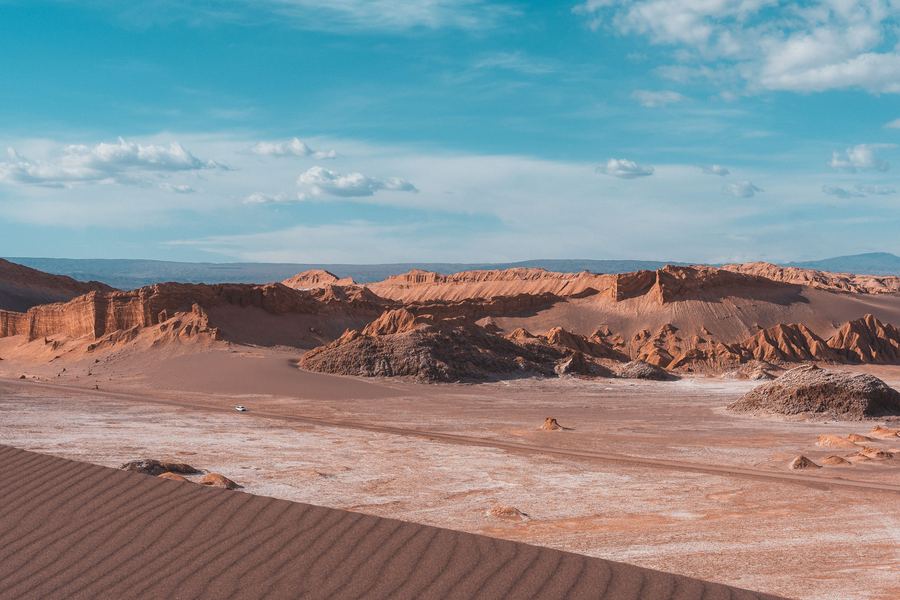
The driest non-polar desert on Earth, where some weather stations have never recorded rain. Base yourself in the oasis village of San Pedro de Atacama for flamingo-filled salt lagoons, steaming geysers at dawn and some of the clearest night skies anywhere.
- Valle de la Luna at sunset
- El Tatio geysers at dawn
- Stargazing tours
- Altiplano lagoons
Best time All year
Capital, coast and vineyards
Santiago & the centre
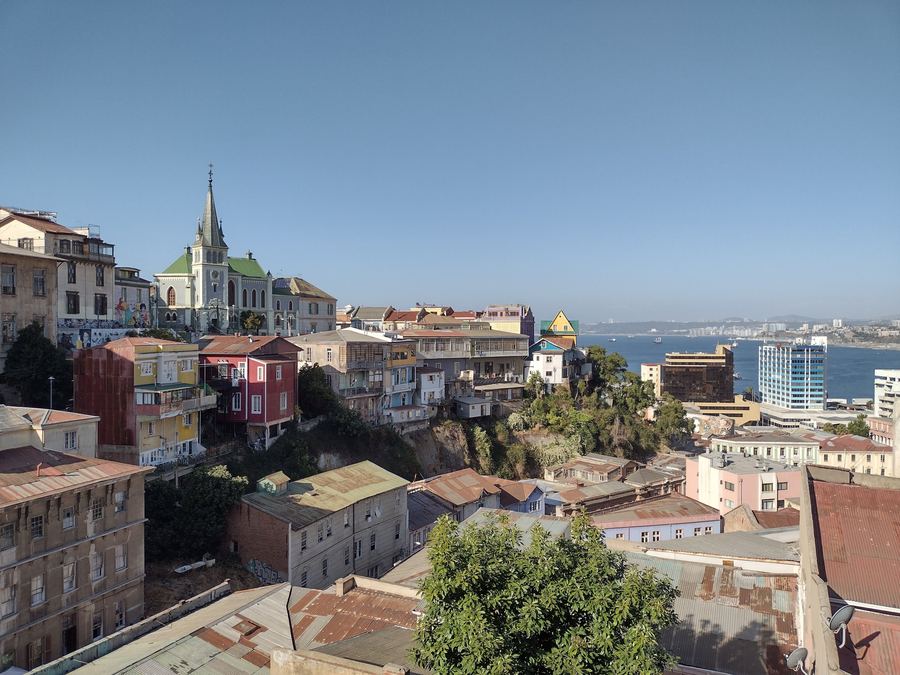
A modern capital with the Andes as its backdrop, an hour and a half from the colourful port of Valparaíso and surrounded by wine valleys. This is the Chile most people live in, and a great place to start.
- Santiago’s Lastarria and Bellavista
- Valparaíso’s hillside murals
- Casablanca and Colchagua wineries
- Skiing in the Andes in winter
Best time Sep–May (ski Jun–Sep)
Volcanoes, lakes and forests
The Lake District
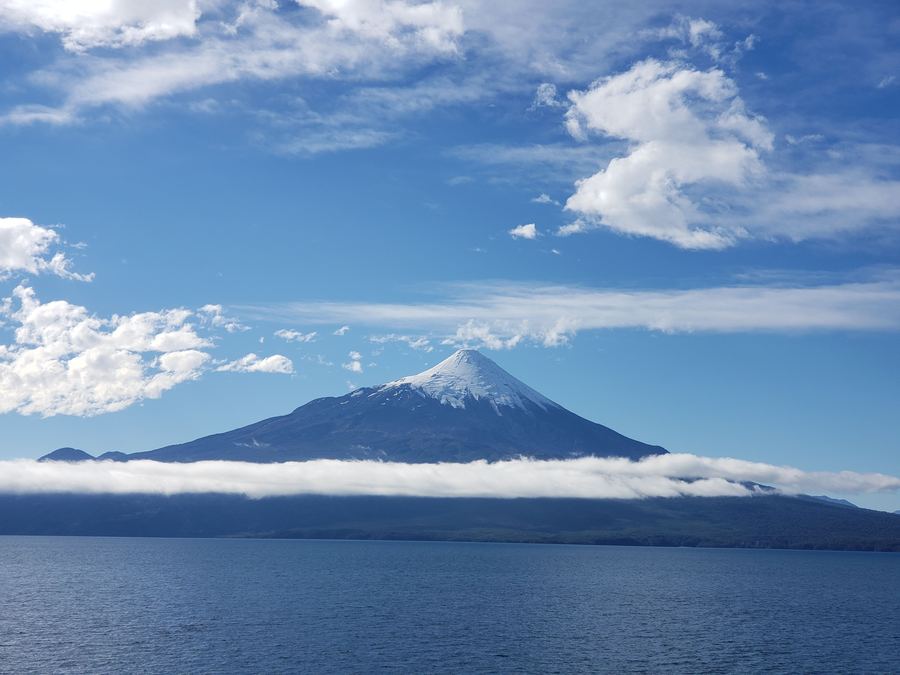
Snow-capped volcanoes rising over deep blue lakes, hot springs in the forest and German-influenced towns with excellent cake. Add the misty island of Chiloé, with its stilt houses and UNESCO-listed wooden churches.
- Osorno volcano and Lake Llanquihue
- Pucón and Villarrica
- Hot springs
- Chiloé’s wooden churches
Best time Nov–Mar
Glaciers, granite and wind
Patagonia
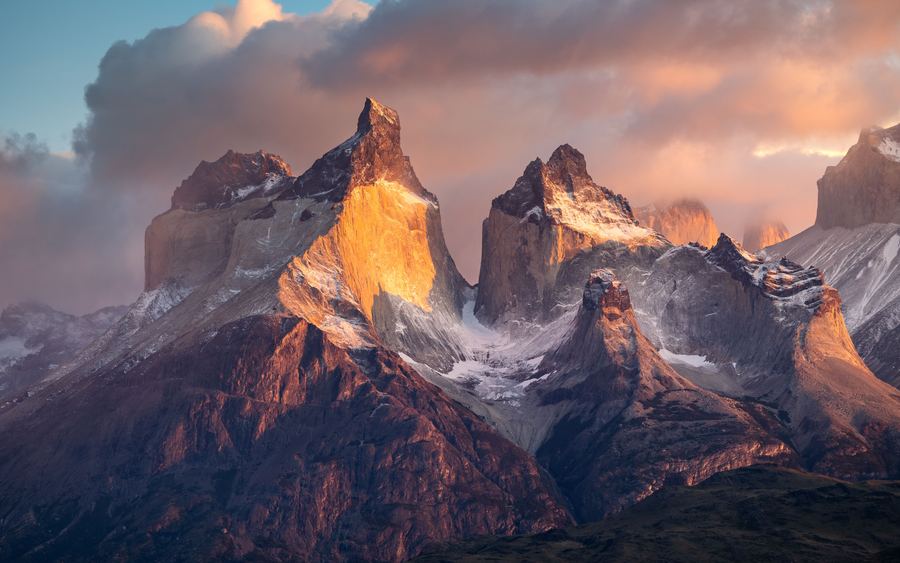
The wild south: the granite towers of Torres del Paine, blue glaciers calving into lakes, and the Carretera Austral, one of the world’s great road trips. Bring layers; the weather changes by the hour.
- Torres del Paine W Trek
- Grey Glacier
- Carretera Austral
- Penguin colonies
Best time Nov–Mar
Easter Island, 3,700 km offshore
Rapa Nui
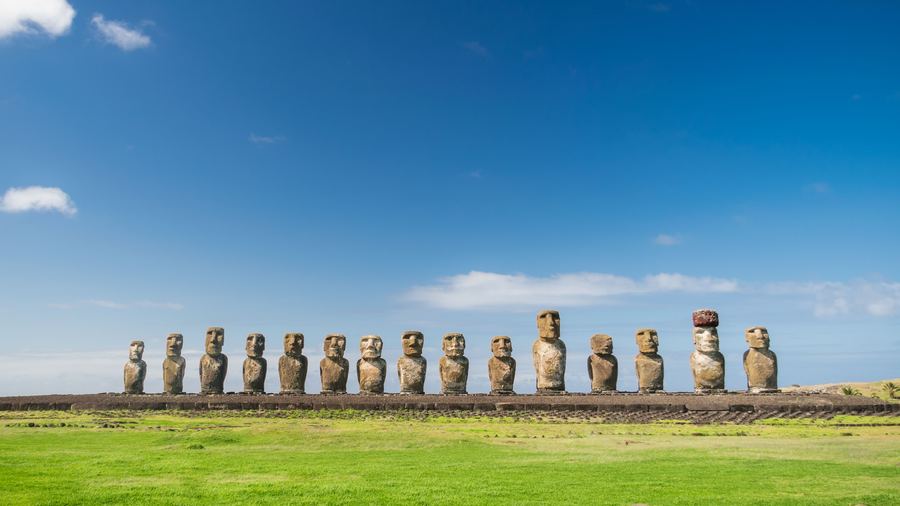
One of the most remote inhabited islands on Earth, about five hours’ flight from Santiago, home to nearly a thousand moai statues and a living Polynesian culture. The whole island feels like an open-air museum.
- Sunrise at Tongariki
- Rano Raraku quarry
- Anakena beach
- Tapati festival (February)
Best time All year
The north: Atacama, the desert of stars
In the far north lies the Atacama Desert, the driest non-polar desert in the world. Some of its weather stations have never recorded rainfall. The result is a landscape that feels like another planet: salt flats glittering white, red canyons, pink flamingos wading in turquoise lagoons and, at dawn, the geysers of El Tatio steaming at 4,300 metres.
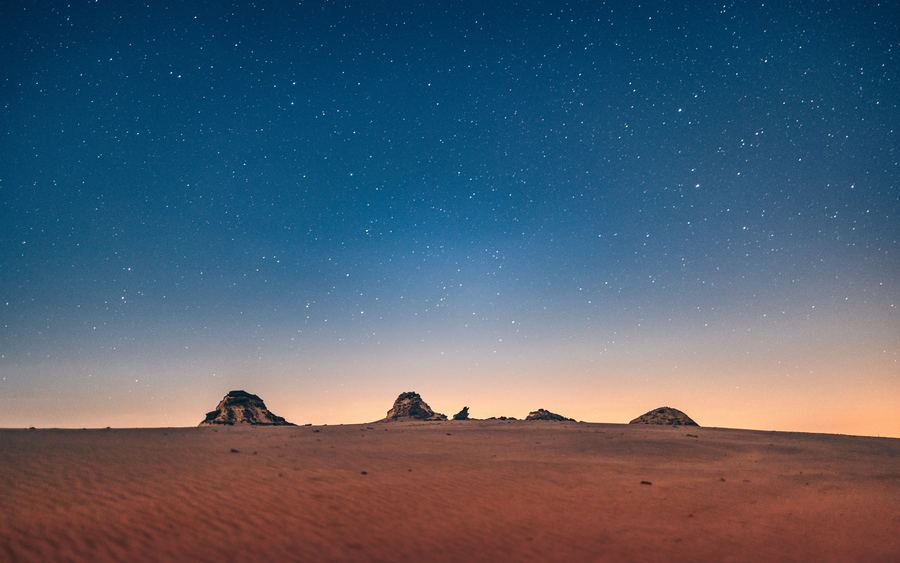
Those dry, high skies also make northern Chile one of the best places on Earth to study the stars, which is why some of the world's largest telescopes are built here. Book a stargazing tour from San Pedro de Atacama; even with the naked eye, the Milky Way looks close enough to touch.
Santiago, Valparaíso and the wine valleys
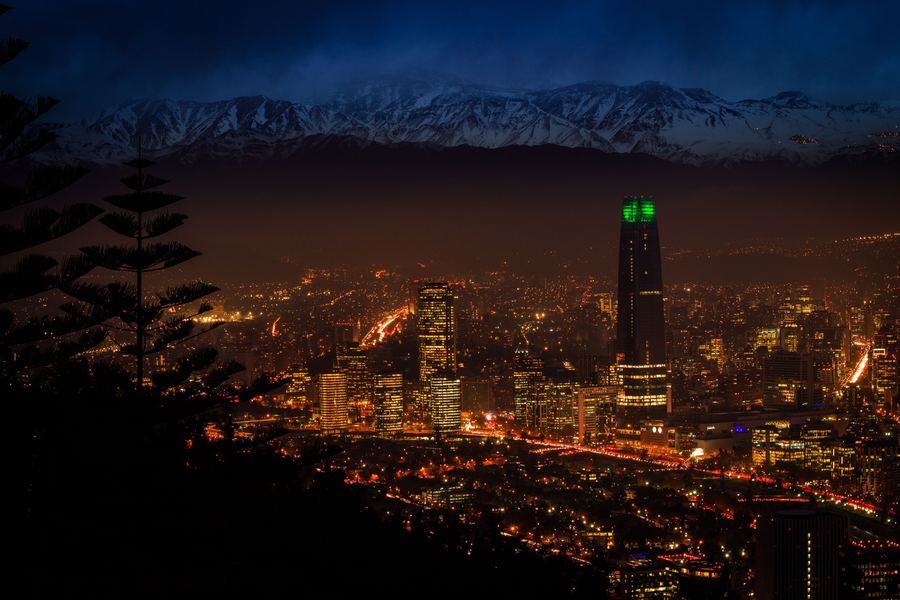
Santiago is a big, modern capital of around seven million people, with a skyline backed by snow-capped peaks. It's safe to explore with normal big-city care, has an excellent metro, and rewards slow wandering: try the bohemian lanes of Lastarria and Bellavista, the Central Market for seafood, and the hilltop views from Cerro San Cristóbal. In winter, ski resorts are barely an hour's drive away.
An hour and a half west, the port city of Valparaíso tumbles down its hills in a riot of colour. Its historic quarter is a UNESCO World Heritage site, and its old funicular lifts, steep stairways and street art make it one of the most atmospheric cities on the continent. Poet Pablo Neruda loved it so much he built a house here, now a museum.
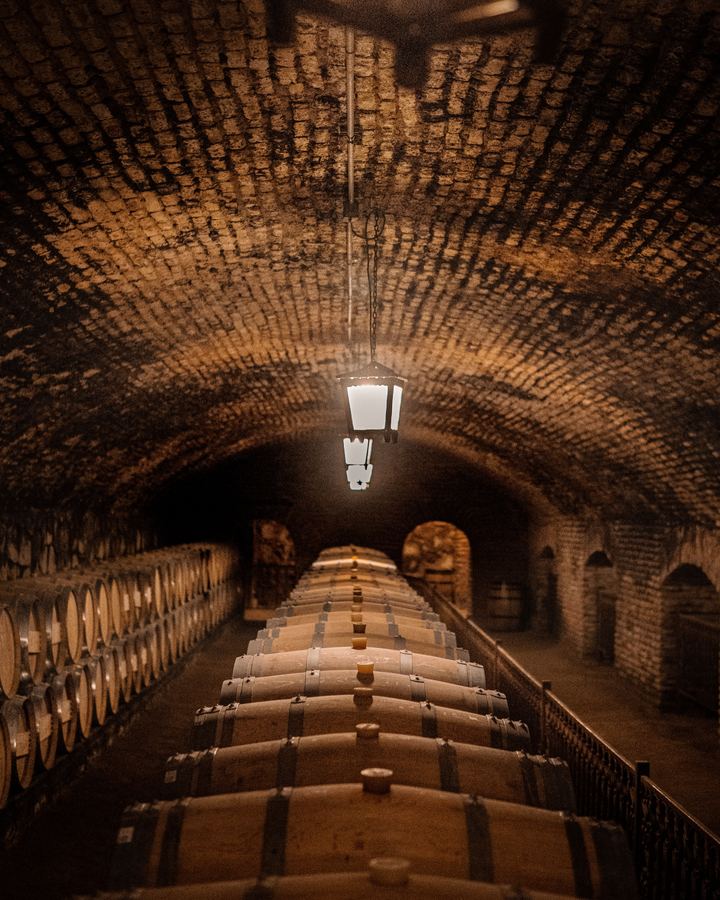
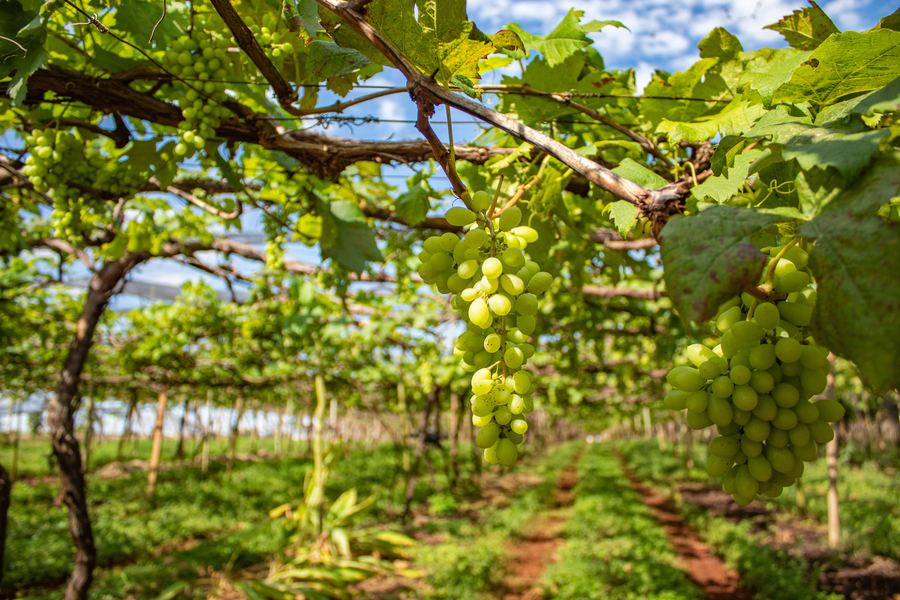
All around lie the wine valleys. Chile is one of the world's leading wine exporters, and its signature grape, Carménère, was once thought to have vanished from Europe before it was rediscovered growing in Chilean vineyards. Visit the cool Casablanca Valley for crisp whites, or Colchagua and Maipo for bold reds, ideally at harvest time in March and April.
Chile is a country you don't so much cross as fall down: from desert to glacier, in one long, extraordinary slide.
The Lake District and Chiloé
South of Santiago, the land turns green. In the Lake District, perfectly conical volcanoes such as Osorno and Villarrica rise above deep blue lakes. You can hike their slopes, soak in forest hot springs and visit towns shaped by German settlers in the 19th century, where you'll still find kuchen in the cafés.
Just offshore, the island of Chiloé is a world of its own: misty, green and rich in legend, with brightly painted houses on stilts and wooden churches, built largely with wooden pegs instead of nails, that are listed by UNESCO. Try curanto, a feast of seafood, meat and potatoes cooked over hot stones in a pit in the ground.
Patagonia: the end of the world
Then comes Patagonia, one of the last great wildernesses on Earth. In Torres del Paine National Park, three granite towers rise above turquoise lakes, and the multi-day W Trek is one of the world's great hikes; book refuges and campsites well ahead. Further north, the gravel Carretera Austral winds for more than 1,000 kilometres past fjords, hanging glaciers and marble caves.
Rapa Nui: the island of the moai
About five hours' flight from Santiago, out in the Pacific, lies Rapa Nui, also known as Easter Island. It's one of the most remote inhabited places on Earth and home to nearly a thousand moai, the great stone figures carved by the island's Polynesian ancestors. Watching the sun rise behind the fifteen moai of Ahu Tongariki is a moment you'll never forget. Rapa Nui National Park is a UNESCO site, and visitors must be accompanied by a licensed local guide at many archaeological sites.
Empanadas, seafood and the pisco sour
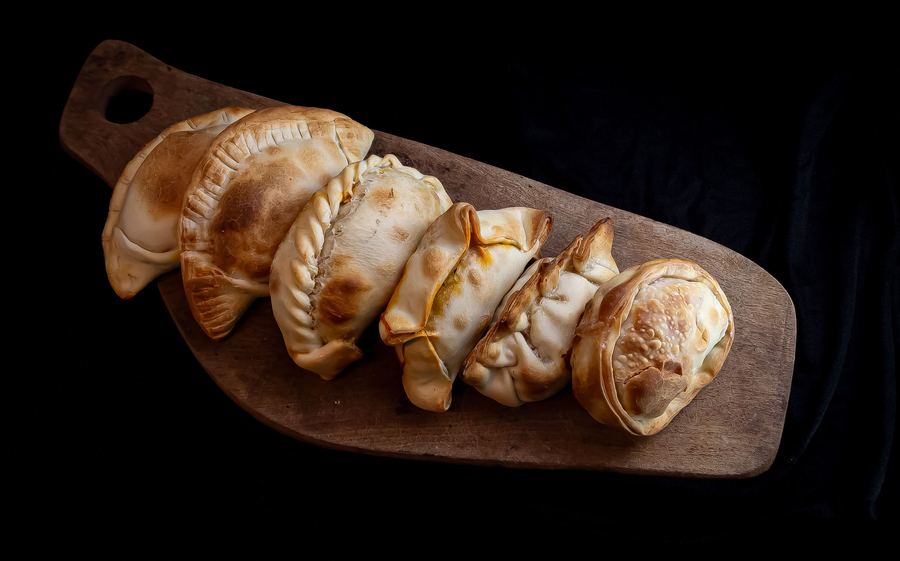
Chilean food is hearty and generous. Start with an empanada de pino, a baked pastry filled with beef, onion, egg and an olive, then try pastel de choclo, a sweetcorn pie with a savoury filling. With one of the longest coastlines in the world, Chile has superb seafood: sea bass, king crab in the south and machas a la parmesana, razor clams baked with cheese.

To drink, there's the pisco sour, made with grape brandy, lime and egg white (and claimed by both Chile and neighbouring Peru), plus that excellent wine. Join the locals for once, the Chilean version of afternoon tea, with bread, avocado and cake in the early evening.
Why some visitors never leave
Chile isn't only a great place to visit. Many visitors fall for it and wonder what it would be like to stay, and it's easy to see why.
- Stable and prosperous. Chile joined the OECD in 2010 and is classed as a high-income country by the World Bank. Its Human Development Index is among the highest in Latin America.
- Good education. Universities such as the Pontificia Universidad Católica de Chile and the Universidad de Chile are among the best in Latin America.
- Healthcare. There's a public system (FONASA) alongside private insurers (ISAPRE), and Santiago's private clinics are of a high standard. Chileans enjoy one of the highest life expectancies in the Americas.
- Familiar rhythms. European influences run deep, from the architecture to the café culture, and the seasons are the mirror image of Europe's: Christmas comes in summer.
It's not perfect. Living costs in Santiago are high by South American standards, inequality remains a real issue, and crime has been rising, which is why travel advice urges extra caution in some neighbourhoods. Chile is also one of the most earthquake-prone countries in the world; its strict building codes are among the best anywhere, and you'll see tsunami evacuation signs along the coast. Taken together, though, few countries in the region offer such a balance of nature, comfort and stability.
Why Chile stays with you
Chile doesn't shout about itself. It doesn't need to. It's the silence of the desert under a sky full of stars, the first sip of Carménère in a vineyard at the foot of the Andes, the crack of a glacier in Patagonia and the warmth of people who are genuinely pleased you came all this way. Underrated? Absolutely. Overlooked? Not for much longer.
So go now, while it still feels like a discovery.