 TravelHub
Destination guide · Morocco
Morocco: where every door opens onto a story
Imperial cities, labyrinthine medinas, tiled courtyards that hush the street outside, and the Sahara glowing gold at sunset. Here is why Morocco seduces nearly 20 million visitors a year, and how to fall for it properly.
Dusk in Marrakech. The call to prayer rises from a dozen minarets at once, swallows wheel over the rooftops, and in the great square of Jemaa el-Fna the smoke from a hundred food stalls drifts up into a violet sky. A storyteller gathers a circle of listeners, a drummer starts up, someone presses a glass of sweet mint tea into your hand. Within ten minutes of arriving, you've stopped being an observer and become part of the show.
That's Morocco's gift: it pulls you in. Under four hours' flight from London, yet a world away, the kingdom welcomed a record 19.8 million visitors in 2025, according to Morocco's tourism ministry. It has nine UNESCO World Heritage sites, from the medinas of Fez and Marrakech to the earthen fortress of Aït Benhaddou, and it will co-host the 2030 FIFA World Cup with Spain and Portugal. But numbers don't capture it. Morocco is a feeling: of colour, scent, sound and hospitality, all turned up to full volume.
The four imperial cities
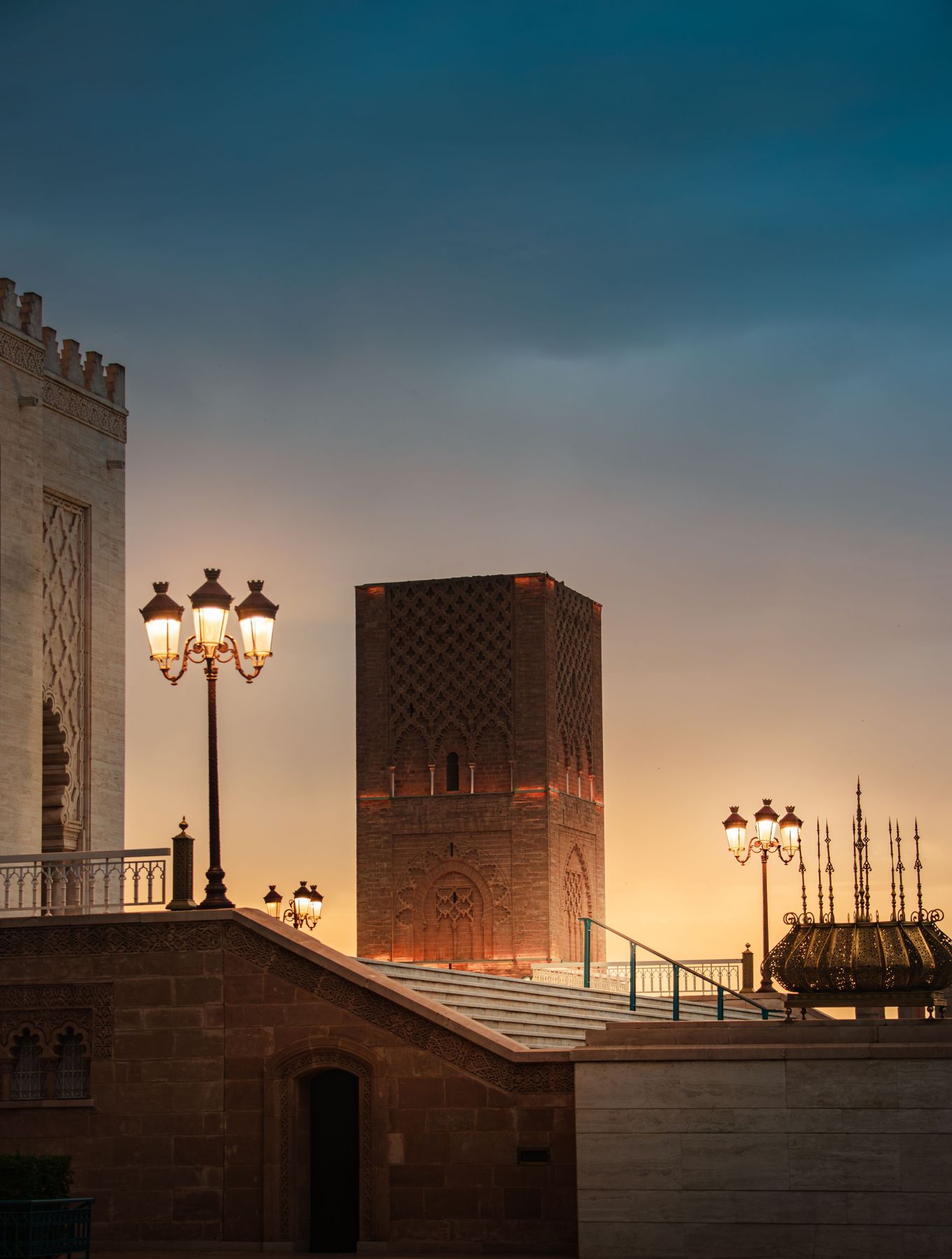
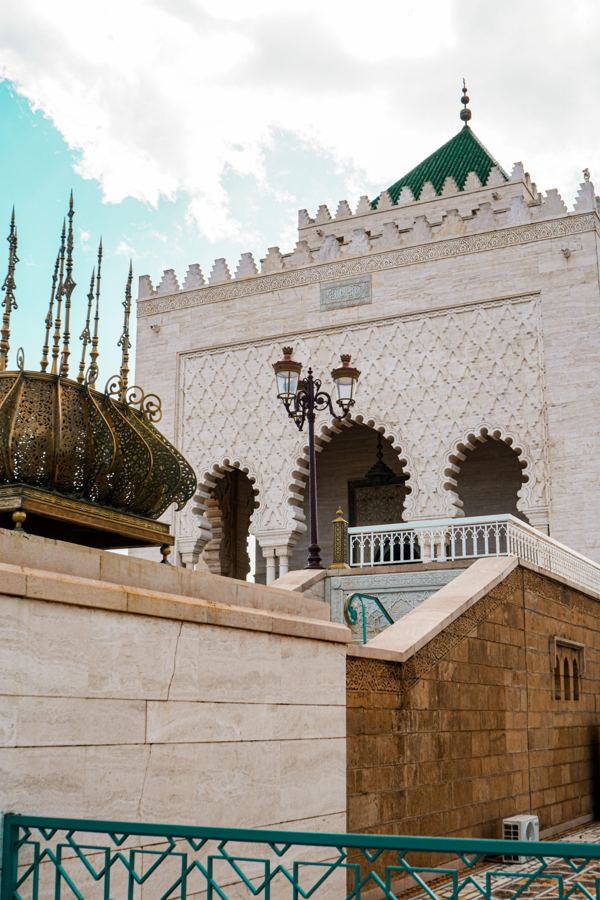
Over twelve centuries, Morocco's rulers moved their capital between four great cities, and each still wears its royal past proudly. Rabat, today's capital, is the calmest: a breezy Atlantic city of gardens and boulevards. Its most famous landmark is the Hassan Tower at the top of this page, the minaret of what was meant to be the largest mosque in the world. The Almohad caliph Yaqub al-Mansur began it in 1195, but he died four years later and work stopped. The tower halted at 44 metres, surrounded by a forest of broken columns, and it has stood unfinished ever since. Across the esplanade lies the gleaming white Mausoleum of Mohammed V, guarded by royal horsemen in scarlet.
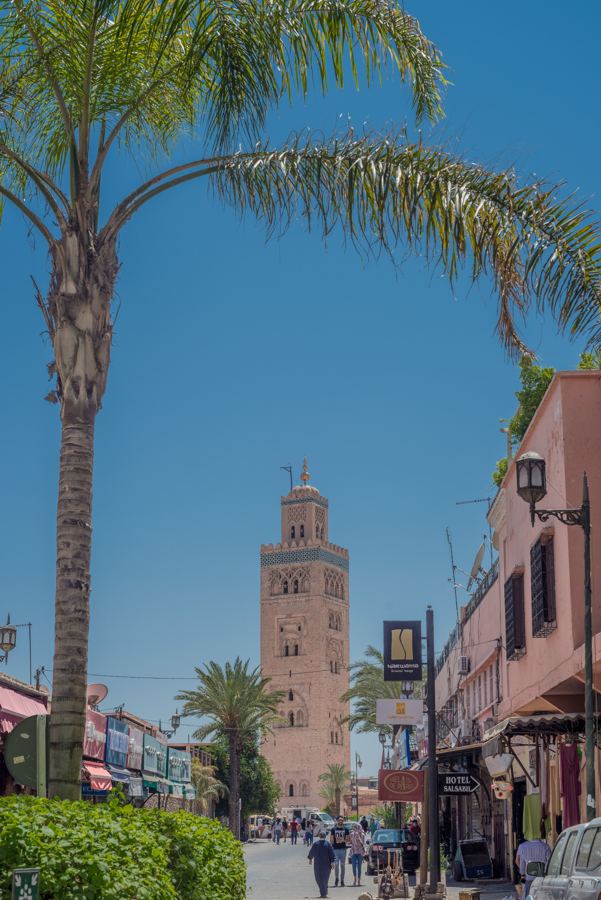
Fez is the spiritual heart. Its old medina, Fez el-Bali, is one of the largest car-free urban areas on Earth, a maze of thousands of lanes where donkeys still carry the goods. Here you'll find al-Qarawiyyin, founded in 859 by a woman, Fatima al-Fihri, and often described as the oldest continuously operating university in the world, as well as the famous leather tanneries, best viewed from a terrace above. Meknes, built up by the formidable Sultan Moulay Ismail in the 17th century, has monumental gates and vast royal granaries. And then there's Marrakech, the "Red City", named for its rose-pink walls.
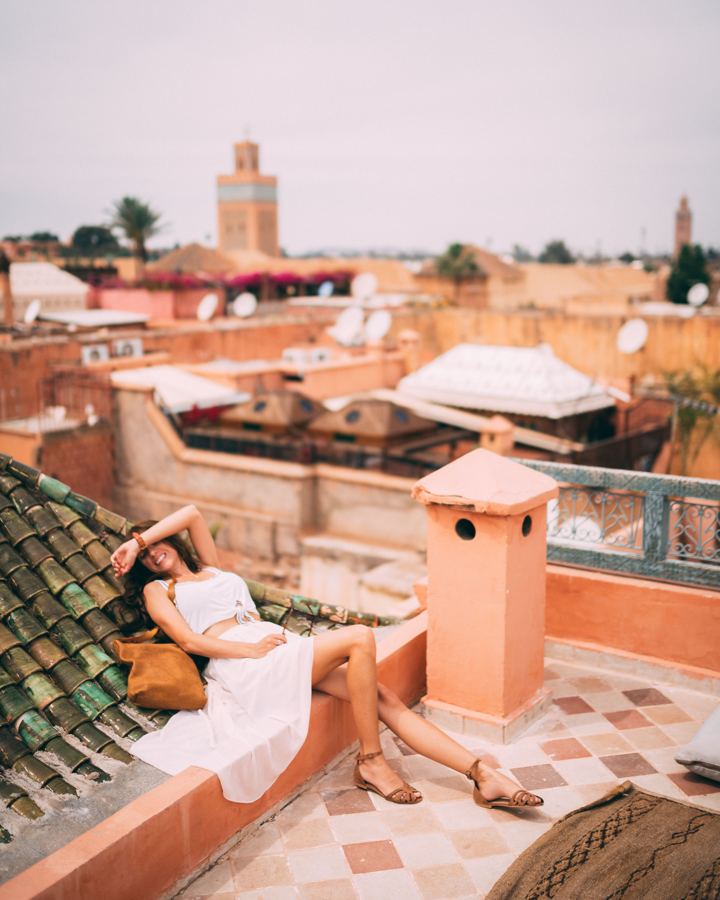
In Morocco, the most beautiful places hide behind the plainest doors.
Into the medina
Every Moroccan city has its medina, the old walled town, and getting lost in one is an essential experience. Lanes narrow to shoulder width, then suddenly open onto a fountain, a mosque gate or a tiny square shaded by a fig tree. Each trade has its own quarter: coppersmiths hammering lanterns, dyers with arms stained indigo, woodworkers turning cedar on foot-powered lathes.
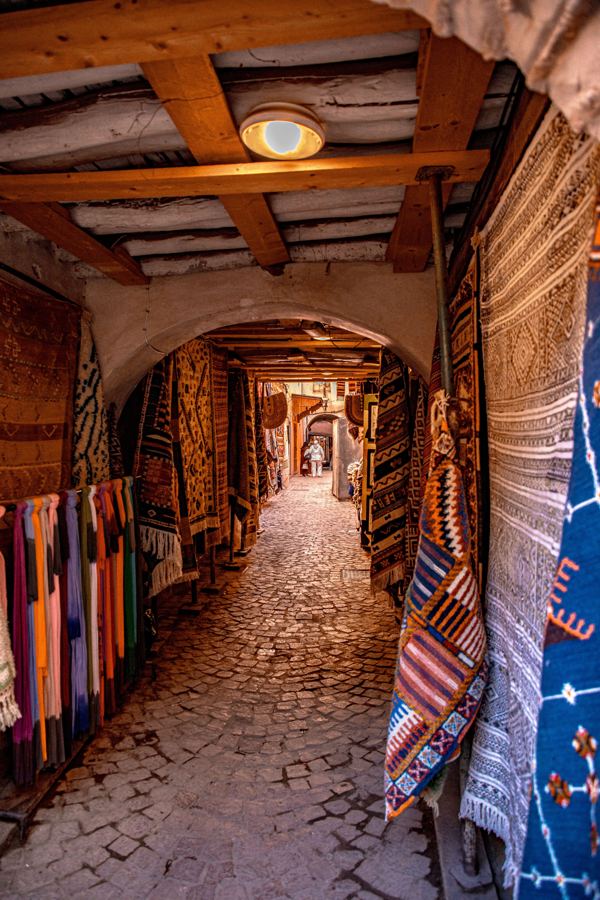
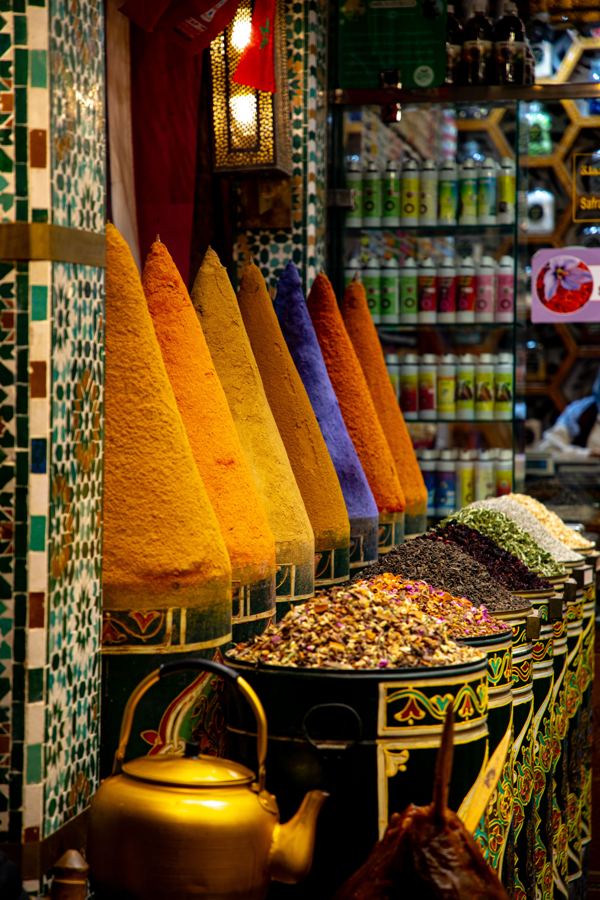
Shopping here is theatre, and bargaining is part of the script. Ask the price, smile, offer around a third to a half, and meet somewhere in the middle. Never start bargaining for something you don't want to buy, and walk away politely if the price doesn't feel right; you'll often be called back. Expect people to offer directions, sometimes for a tip. A friendly but firm "la, shukran" (no, thank you) works wonders, and offline maps help when the lanes start to look the same.
The art of zellij, stucco and cedar
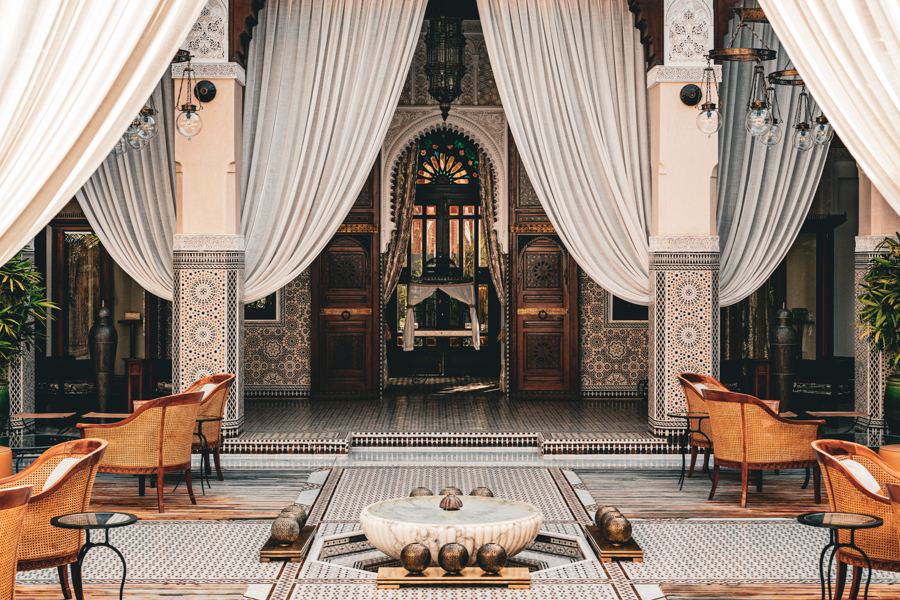
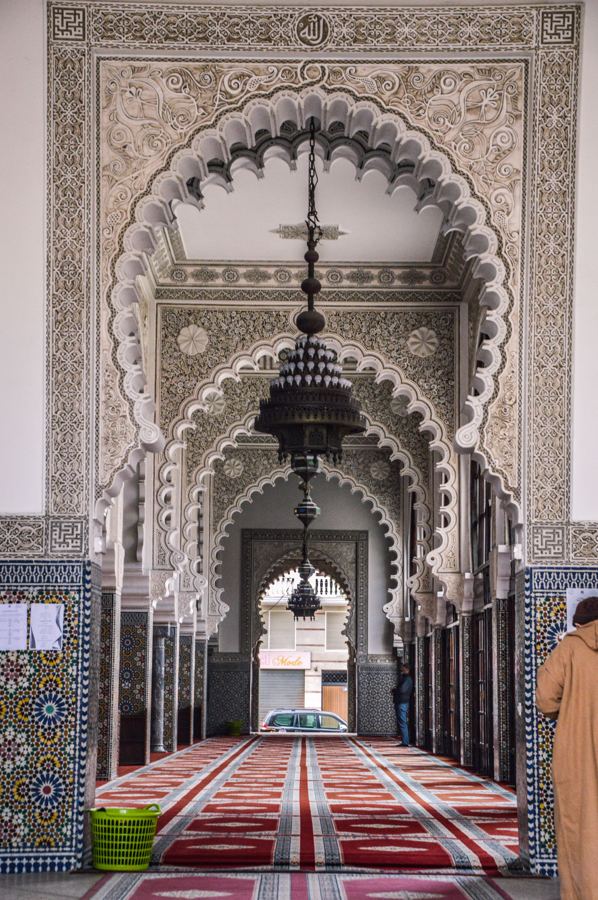
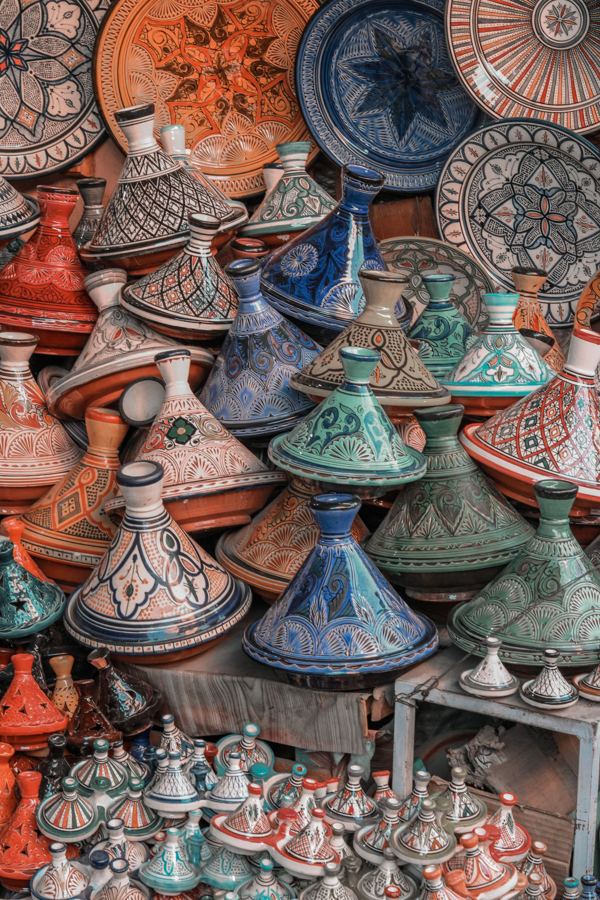
Moroccan craftsmanship is breathtaking, and much of it lies behind closed doors. Because Islamic art traditionally avoids depicting people, artisans perfected geometry instead: zellij, mosaics of hand-cut glazed tiles in endlessly repeating stars; stucco carved into lace-like calligraphy and honeycomb vaults; and fragrant cedar from the Atlas carved into domed ceilings.
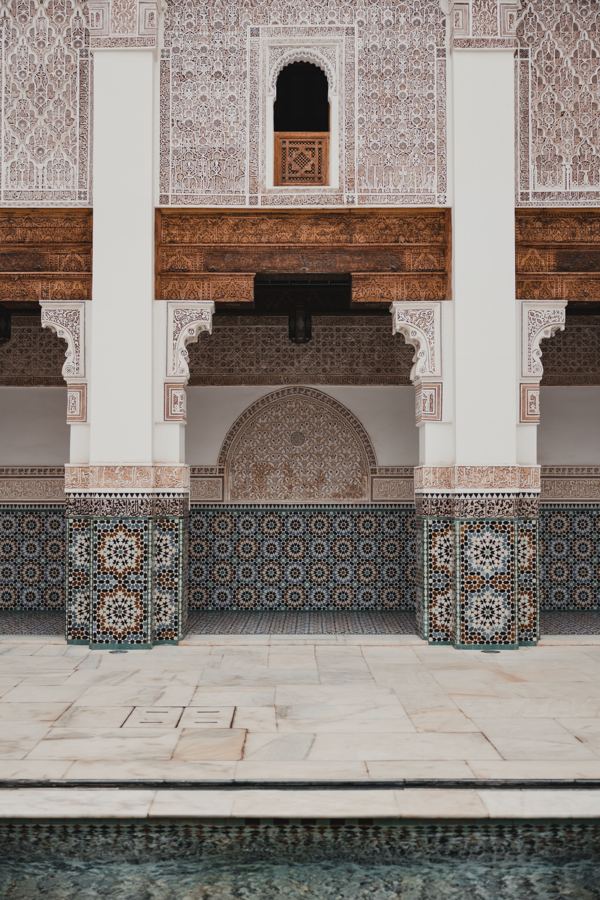
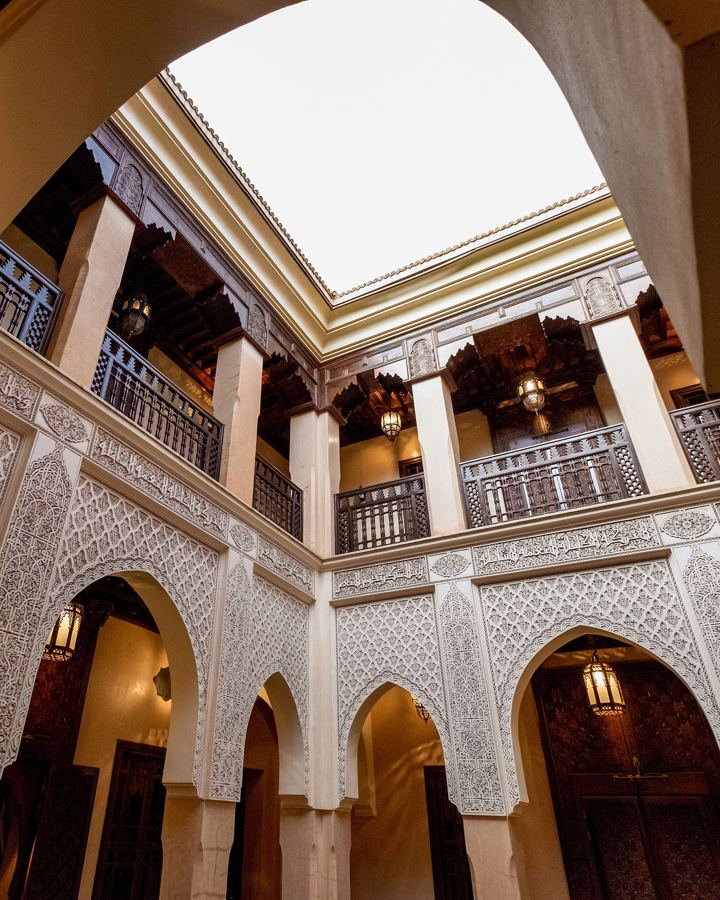
See it at its finest in the Ben Youssef Madrasa, a 16th-century college in Marrakech that has been beautifully restored, and then sleep in it. A riad is a traditional house built around an inner courtyard garden, its blank outer walls giving nothing away. Step inside, and the medina's noise vanishes: there's birdsong, a fountain, orange trees, and a host bringing tea. Hundreds of riads in Marrakech and Fez are now guesthouses, and staying in one is among the great joys of travelling here.
Faith and the rhythm of the day
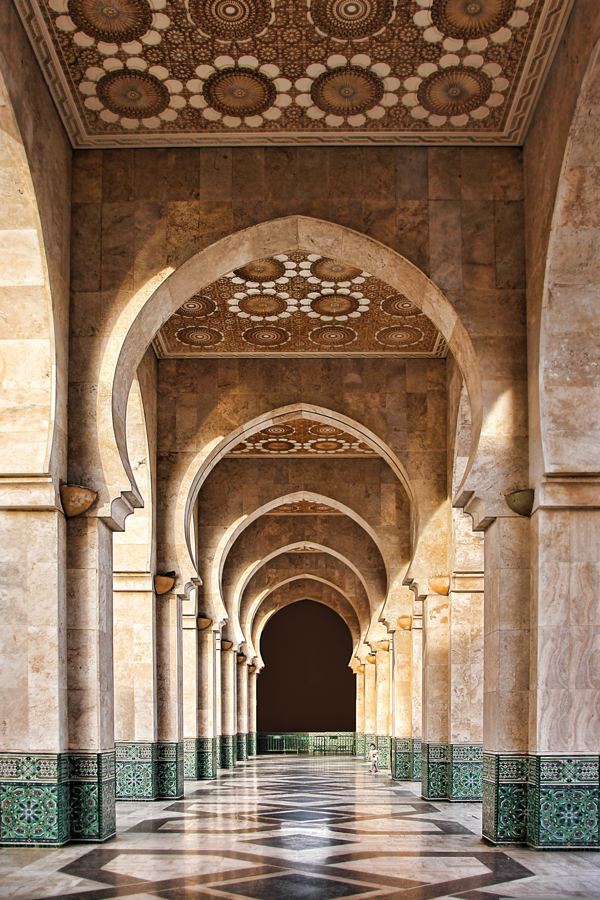
Islam shapes daily life, and the five calls to prayer give the day its rhythm. Most mosques in Morocco are closed to non-Muslims, but there's one spectacular exception: the Hassan II Mosque in Casablanca, completed in 1993 and partly built over the Atlantic, runs guided tours for visitors of all faiths. Its prayer hall can hold 25,000 worshippers, and its roof slides open to the sky.
Morocco is also home to the Amazigh (Berber) people, the region's original inhabitants, whose language, Tamazight, became an official language alongside Arabic in 2011. You'll see its distinctive Tifinagh script on road signs and buildings. Many travellers visit during the holy month of Ramadan, when Muslims fast from dawn to sunset; it's a fascinating time to come, with festive evening meals and late-night streets, but be discreet about eating and drinking in public during the day.
A cuisine of spice and patience
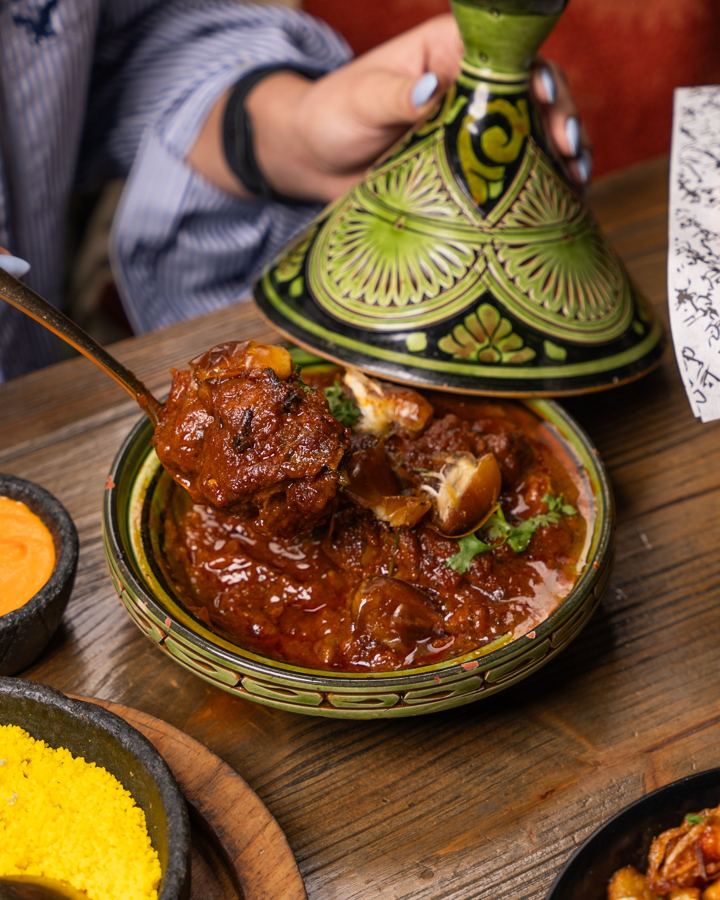
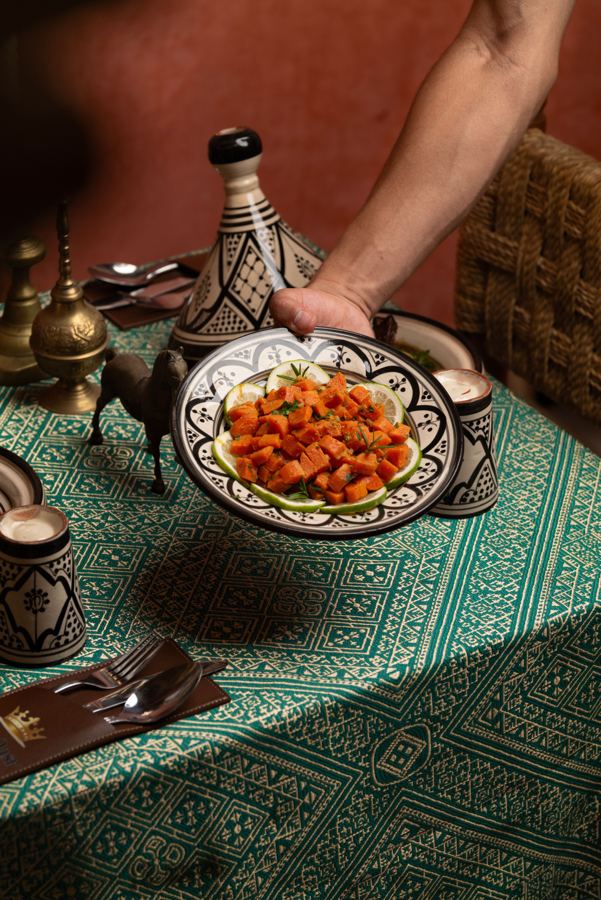
Moroccan food is slow food in the best sense. The tagine is both a dish and the conical clay pot it's cooked in: lamb with prunes and almonds, chicken with preserved lemon and olives, or kefta meatballs bubbling with eggs. Fridays mean couscous, steamed for hours and piled with vegetables; the couscous tradition shared across North Africa is on UNESCO's list of intangible cultural heritage. Try pastilla, a flaky pie of pigeon or chicken dusted with cinnamon and sugar, and break your day with a bowl of harira soup.
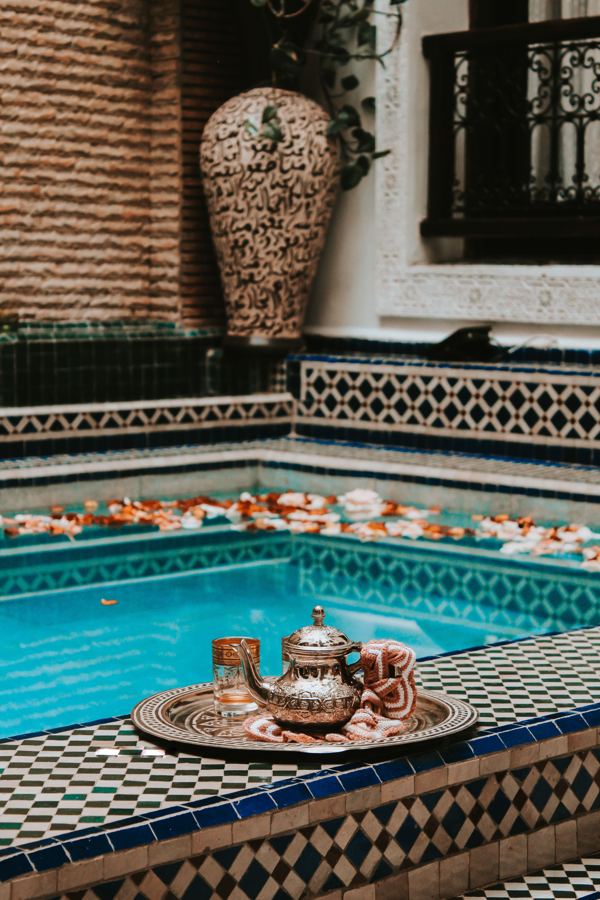
And then there's mint tea, poured from a great height to create a froth and offered everywhere: in shops, homes and offices. Accepting a glass is accepting friendship, and refusing outright can seem a little cold. It's often called "Berber whisky", and it's very sweet, so ask for bila sukkar (no sugar) if you prefer.
Music in the air
Music is everywhere in Morocco: Andalusian orchestras whose melodies came with refugees from medieval Spain, Amazigh drummers in the mountains, and the hypnotic trance music of the Gnawa, built on iron castanets and a deep three-stringed lute, recognised by UNESCO in 2019. The whole of Jemaa el-Fna, with its musicians, storytellers and acrobats, was among the very first places UNESCO honoured as a masterpiece of intangible heritage, back in 2001.
For a deeper dive, time your trip around a festival: Essaouira's Gnawa festival transforms the seaside town each summer, and Fez's Festival of World Sacred Music fills palaces and squares with performers from around the globe.
Kasbahs, mountains and the Sahara
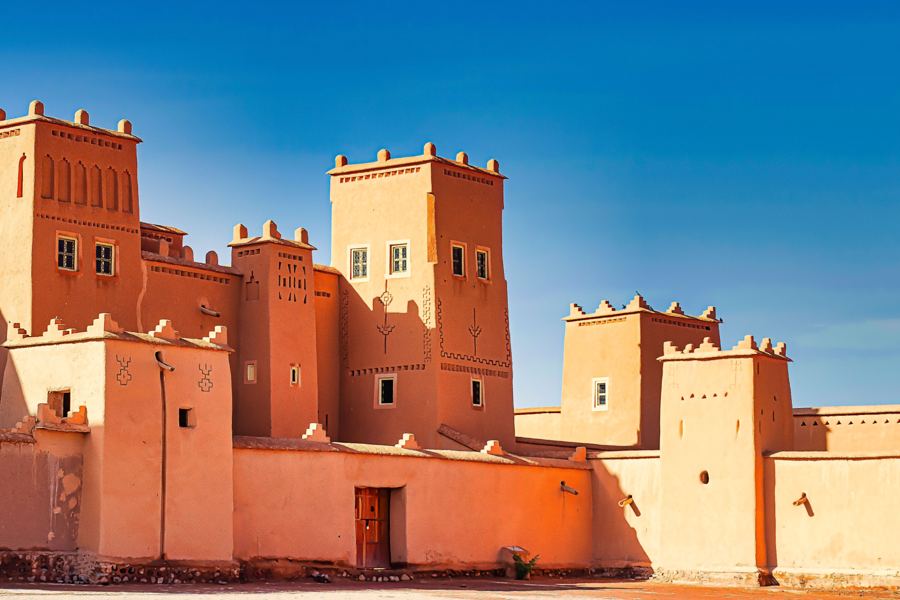
Beyond the cities, Morocco opens up into wild, magnificent landscape. Cross the High Atlas on the dizzying Tizi n'Tichka pass, with North Africa's highest peak, Jebel Toubkal (4,167 metres), on the horizon, and descend into a land of red-earth kasbahs, palm-filled valleys and dramatic gorges. The fortified village of Aït Benhaddou, a UNESCO site, will look familiar: it has starred in films from Lawrence of Arabia to Gladiator and in Game of Thrones.
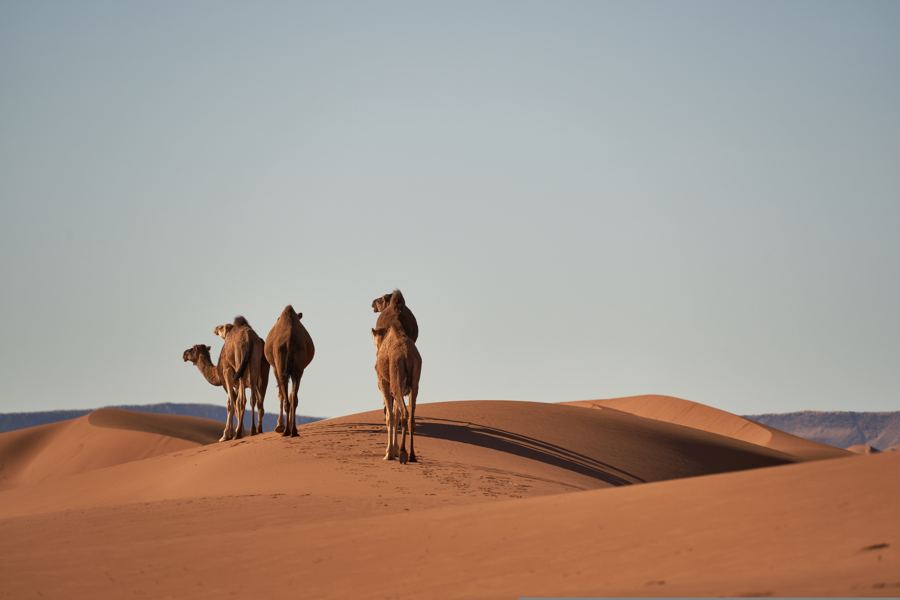
Then comes the Sahara. At Erg Chebbi near Merzouga, or the wilder Erg Chigaga beyond M'Hamid, sand dunes rise as high as 150 metres. Ride out by camel or 4x4 in the late afternoon, climb a dune to watch the sunset turn the sand from gold to copper to rose, then eat dinner by a fire as Amazigh drummers play. Later, away from the firelight, you'll see more stars than you knew existed.
It's a long drive from Marrakech, around nine or ten hours, so take at least three days and break the journey in the Dades or Todra gorges. Nights in the desert can be cold even in spring and autumn, so pack a warm layer.
Why Morocco stays with you
People come to Morocco for the photographs: the tiles, the souks, the dunes. They come back for the moments in between. A shopkeeper who insists you stay for a second glass of tea. The silence of the desert at dawn. Bread still warm from a neighbourhood oven. The sudden calm of a courtyard after an hour in the souk. Morocco asks you to slow down, accept the invitation and say yes a little more often.
So start planning. Like the best mint tea, Morocco is best taken slowly, and you'll want more than one glass.