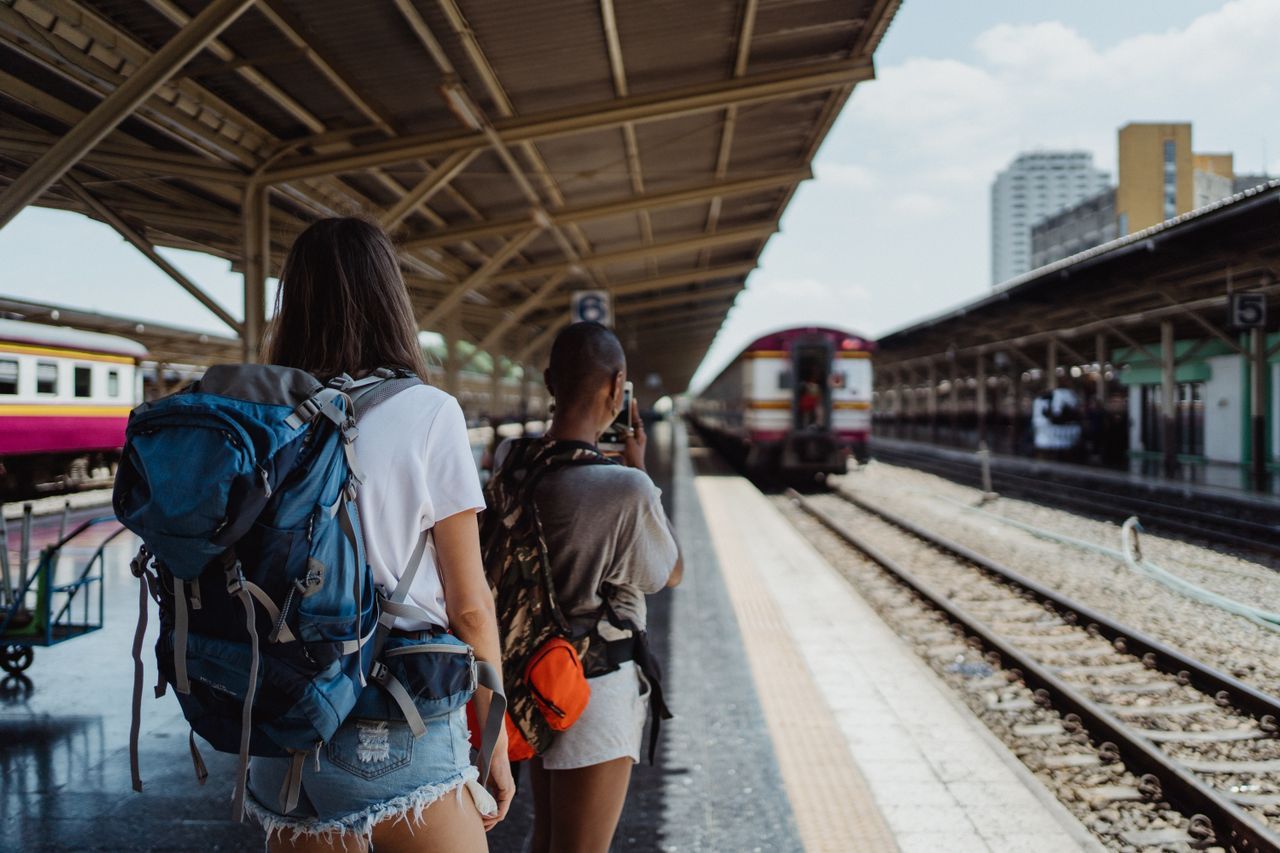
Two backpackers with rucksacks waiting on a railway platform as a train pulls in

Backpacker's corner

Your first big adventure starts here

Everything you need to plan, pack and set off, even if it's your first time and even if you're going solo. Honest tips, tried-and-tested routes and a few gentle nudges to stop dreaming and start booking.

Why go backpacking

FreedomNo fixed itinerary. Stay longer where you love it, leave when you're ready.
Further for lessHostels, street food and local buses stretch a budget for weeks, not days.
PeopleHostels are built for meeting others. Arrive alone, leave with friends from everywhere.
ConfidenceEvery bus caught and menu decoded makes you braver. You'll come home different.

First trip? Start here

Your first trip in seven steps

The hardest part is deciding to go. After that, it's a to-do list. Here's the order that works.

  1. Pick a region, not a route. Choose somewhere well trodden for your first trip: Southeast Asia, Europe or Australia. Lots of other travellers means easy transport, plenty of hostels and help when you need it.
  2. Decide how long, then set a budget. Multiply your daily budget (see the routes below) by the number of days, add flights and insurance, then add 15% for surprises.
  3. Check passport and visas. Many countries want at least six months left on your passport. Look up visa rules for each country on your own government's travel advice pages (in the UK, that's GOV.UK foreign travel advice).
  4. Book the first few nights, and nothing more. A flight in and two or three nights in a well-reviewed hostel is plenty. Leave the rest open; you'll get better tips once you're there.
  5. Get travel insurance and see a travel nurse. Buy insurance that covers medical care and the activities you plan to do. Visit a travel clinic six to eight weeks before you go to check which vaccinations you need.
  6. Sort your money. Get a card with no foreign transaction fees, tell your bank you're travelling, and keep a back-up card somewhere separate.
  7. Pack light and go. If it doesn't fit in a 40–45 litre bag, you probably don't need it. You can buy almost anything on the road.

Ready to sketch your days? The Itinerary Planner turns your route into a day-by-day plan you can tweak as you go.

Inspiration

Popular backpacking routes

Tried-and-tested trails where the transport is easy, the hostels are good and you'll meet people at every stop. Budgets are rough daily guides for a dorm bed, local food and transport.

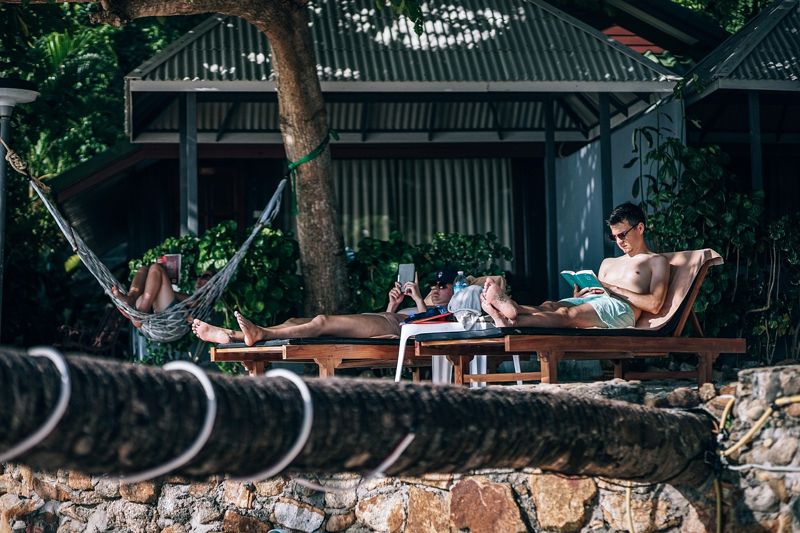
Travellers relaxing in a hammock and on sun loungers outside a tropical beach hostelFirst-timers: Perfect

Thailand · Laos · Vietnam · Cambodia

The Banana Pancake Trail

The classic first big trip: cheap, well connected and full of other travellers, so you will never be short of company.

  • Bangkok street food
  • Slow boat down the Mekong
  • Ha Long Bay
  • Temples of Angkor
Time
4–8 weeks
Daily budget
£25–40
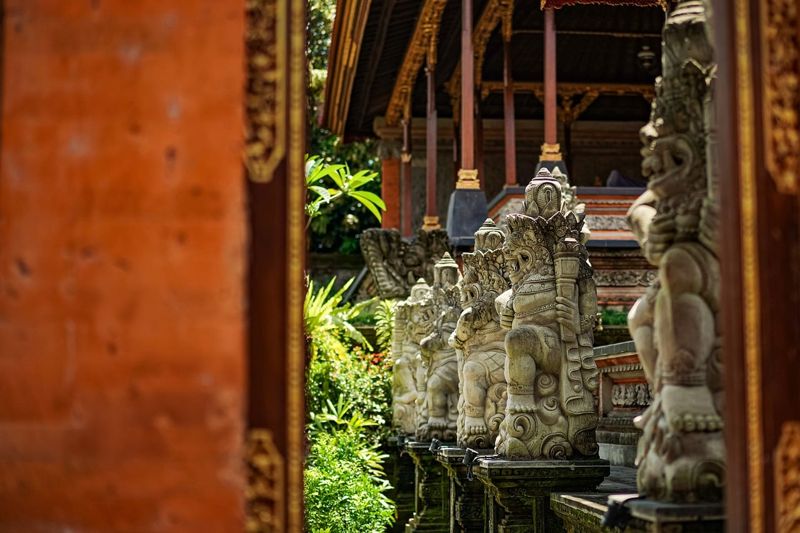
Carved stone guardian statues at the entrance to a Balinese templeFirst-timers: Perfect

Indonesia

Bali & the Indonesian islands

Temples, rice terraces and surf breaks, with easy island-hopping by ferry and a big, friendly backpacker scene.

  • Ubud rice terraces
  • Sunrise on Mount Batur
  • Nusa Penida cliffs
  • Gili Islands
Time
2–4 weeks
Daily budget
£25–45
A Sri Lankan dancer in an ornate traditional costume and headdressFirst-timers: Great

Sri Lanka

Sri Lanka loop

A compact island where tea country, ancient cities, wildlife and beaches all fit into one trip.

  • Kandy to Ella by train
  • Sigiriya rock fortress
  • Safari in Yala
  • South-coast beaches
Time
2–3 weeks
Daily budget
£25–40
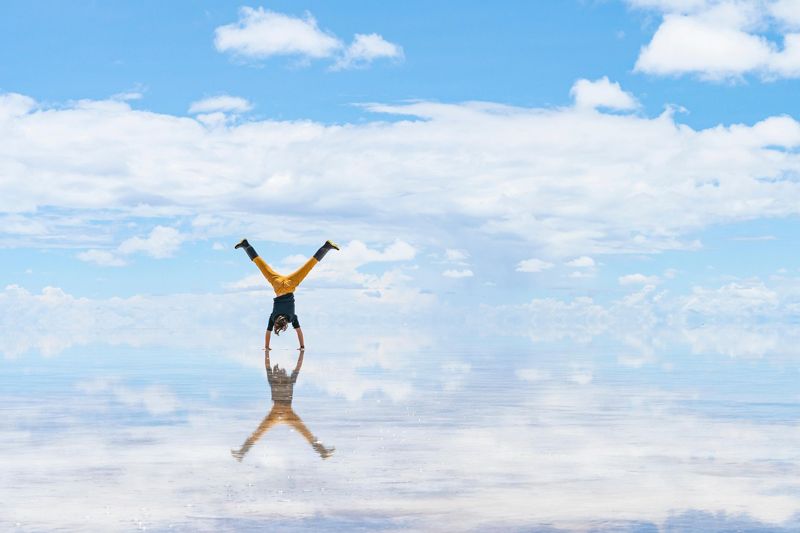
A traveller doing a handstand on the mirror-like Salar de Uyuni salt flatFirst-timers: Good

Peru · Bolivia · Chile

The Gringo Trail

Big landscapes and big adventures: Inca ruins, high-altitude lakes and the mirror-like salt flats of Uyuni.

  • Machu Picchu
  • Lake Titicaca
  • Salar de Uyuni
  • Atacama Desert
Time
4–8 weeks
Daily budget
£30–50
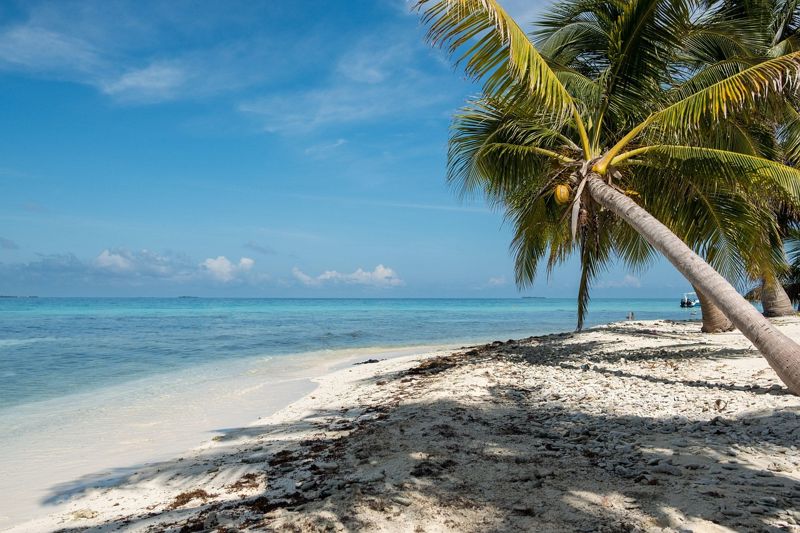
A palm tree leaning over a white-sand Caribbean beach and turquoise seaFirst-timers: Good

Mexico · Guatemala · Belize · Costa Rica

Central America overland

Mayan ruins, volcano hikes, Caribbean islands and colonial towns, linked by shuttles and chicken buses.

  • Tulum & cenotes
  • Lake Atitlán
  • Caye Caulker
  • Volcano hikes in Antigua
Time
4–8 weeks
Daily budget
£30–50
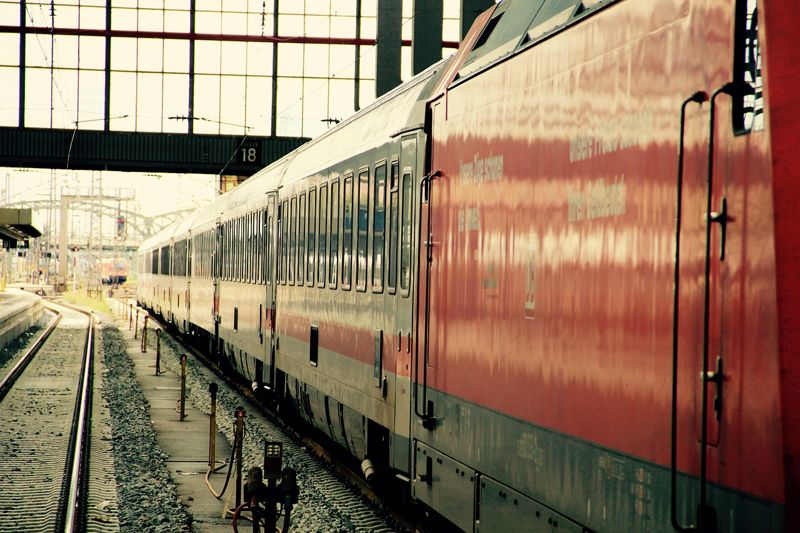
A red passenger train waiting at a European railway stationFirst-timers: Perfect

Interrail across 30+ countries

Europe by rail

Hop between capitals, coastlines and mountain towns by train. Safe, easy and endlessly flexible.

  • Amsterdam to Berlin
  • Prague & Budapest
  • Swiss Alps by train
  • Croatian coast
Time
2–6 weeks
Daily budget
£60–90
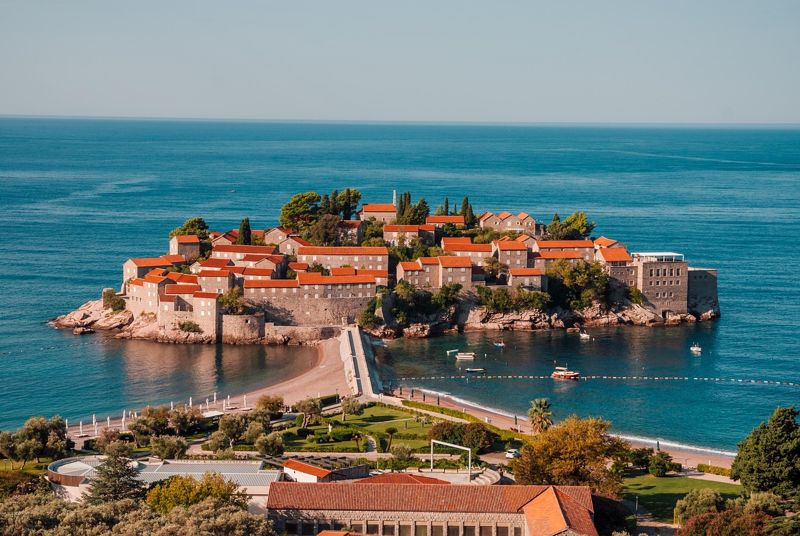
The walled island village of Sveti Stefan on the Montenegrin coastFirst-timers: Great

Slovenia · Croatia · Bosnia · Montenegro · Albania

The Balkans

Europe at a gentler price: turquoise rivers, old towns, mountain villages and some of the friendliest hostels around.

  • Lake Bled
  • Mostar old bridge
  • Bay of Kotor
  • Albanian Riviera
Time
3–5 weeks
Daily budget
£35–55
The Brisbane city skyline lit up at night across the riverFirst-timers: Perfect

Sydney to Cairns

Australia's east coast

The ultimate road trip, with surf towns, rainforest and the Great Barrier Reef. A working holiday can fund it.

  • Byron Bay
  • K'gari (Fraser Island)
  • Whitsunday Islands
  • Great Barrier Reef
Time
4–8 weeks
Daily budget
£60–90

Daily budgets are rough 2026 guides in pounds sterling. Prices vary by season and travel style, so check current costs before you go.

Travelling solo

Solo, but never alone

Travelling on your own is one of the best decisions you'll ever make. You choose every plan, you meet more people, and you discover just how capable you are. Nerves before you go are completely normal, and they usually disappear on day two.

  • Stay social. Pick hostels with a common room, free walking tours or family dinners. Saying "Where are you heading next?" is all it takes.
  • Join a day tour or class. Cooking classes, hikes and boat trips are instant friend-makers.
  • Share your plans. Send your itinerary to someone at home and check in regularly. Share your live location when you're on the move.
  • Arrive in daylight. Plan arrivals for daytime, with your first night booked and the address saved offline.
  • Trust your gut. If something feels off, leave. It's never rude to put your safety first.
  • Enjoy the alone time. A café, a journal, a sunset with nobody to rush you: that's part of the magic too.
Travelling solo means every view is yours to enjoy at your own pace.

Where to stay

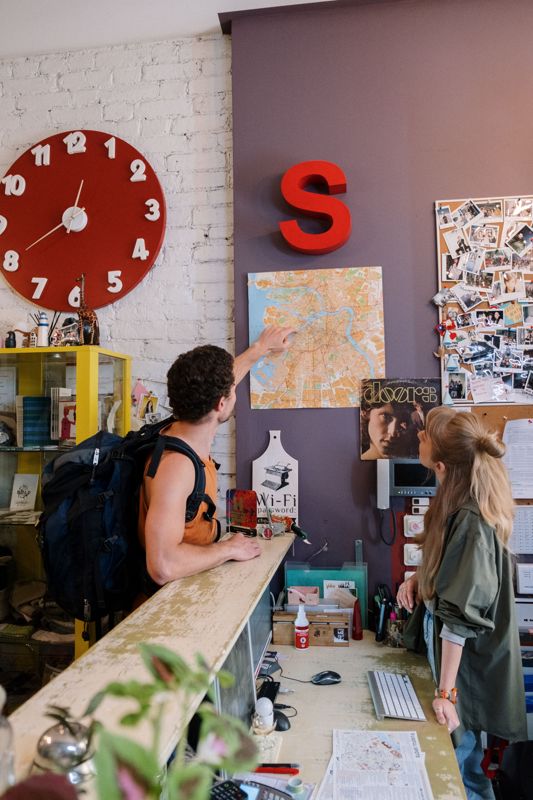
Hostels 101

Forget the stereotypes. Modern hostels are clean, safe and sociable, and many offer private rooms as well as dorms.

How to choose

  • Read recent reviews for cleanliness, safety and atmosphere. A score of 8.5+ is a good sign.
  • Check the location on a map: walkable to the centre, close to transport.
  • Look for lockers, 24-hour reception and keycard access.
  • Party hostel or chilled? Reviews will tell you; choose what suits your sleep.
  • Smaller dorms (4–6 beds) are quieter. Female-only dorms are widely available.

Dorm etiquette

  • Pack your bag the night before an early departure. Nobody loves a 5 a.m. rustle.
  • Use a head torch, not the main light, after dark.
  • Keep your stuff on and under your bed, not across the floor.
  • Label your food in the shared kitchen and wash up straight away.
  • Say hello. Everyone in that room is in the same boat as you.

Money

Budgeting without stress

You don't need to be rich to backpack, just organised. A few habits make your money go a lot further.

Track dailyNote what you spend each day. Five minutes in the evening keeps the whole trip on budget.
Eat like a localStreet food and markets are cheaper, tastier and often fresher than tourist restaurants.
Travel overnightNight buses and sleeper trains save a night's accommodation and a day of your trip.
Withdraw wiselyUse bank ATMs, take out larger amounts less often, and always choose to be charged in the local currency.
Keep a safety netSet aside an emergency fund (around £300–500) that you don't touch unless something goes wrong.
Work as you goHostel volunteering and working holiday visas (for example in Australia and New Zealand) can stretch a trip for months.

Interactive checklist

The first-timer's packing list

Tick things off as you pack. Your progress is saved in this browser. Golden rule: lay it all out, then take half.

0 packed

Documents & money

Clothes

Hostel kit

Tech

Health

Carved stone guardian statues lining the entrance to a Balinese temple
Respect goes a long way: cover up at temples and follow local customs.

Stay safe, stay well

Smart habits on the road

  • Read the travel advice for each country before you go and check it again as you move on.
  • Split your valuables: cards, cash and passport in different places, and a small amount in a day wallet.
  • Wear a helmet on scooters and only ride if your insurance covers it, which often requires a licence.
  • Drink bottled or filtered water where tap water isn't safe, and go easy on ice from unknown sources.
  • Watch your drink and be wary of overly friendly strangers with a "special offer".
  • Use licensed taxis or ride-hailing apps, especially at night and from airports.
  • Respect local culture: dress modestly at religious sites, ask before photographing people, and learn "hello" and "thank you".

Toolkit

Apps and tools worth having

Offline mapsDownload maps before you lose signal. They work with GPS even without data.
TranslationCamera translation turns menus and signs into English instantly.
eSIMBuy data before you land and skip the airport SIM queue.
Hostel bookingCompare reviews and book a night or two ahead in busy places.
TravelHub plannerBuild your route day by day in the Itinerary Planner.
TravelHub logsRecord every flight and train in My flights and My trains, then watch My World fill up.

Questions

First-timer worries, answered

Am I too old (or too young) to go backpacking?

No. Hostels welcome travellers of every age, and many offer private rooms if dorms aren't your thing. You'll meet gap-year students, career-breakers and retirees on the same trail.

Is it safe to travel alone?

For most popular routes, yes, with sensible precautions. Choose well-reviewed hostels, arrive in daylight, share your plans with someone at home and keep an eye on official travel advice. Millions of people travel solo every year.

How much money do I need?

It depends on where you go. Roughly £25–40 a day covers Southeast Asia, while Western Europe and Australia are closer to £60–90. Add flights, insurance and an emergency fund, and you have your total.

Do I need to plan everything in advance?

Please don't! Book your flight, insurance and the first couple of nights. Leave the rest flexible: some of the best plans come from tips you'll get on the road.

What if I get lonely or homesick?

It happens to almost everyone, usually in the first week. Head to a sociable hostel, join a group activity or call home. It passes, and the friendships you make are often the best part of the trip.

What size backpack should I take?

40–45 litres is the sweet spot. It's small enough to carry on most flights, comfortable for walking and forces you to pack light. Choose one that opens at the front like a suitcase.

The world is waiting. Your move.

Pick a route, plan your first few days and book that ticket. Future you will be very glad you did.

Plan my tripRead: Discover Japan